Football Analysis
Balogun case raises questions over FIFA's World Cup disciplinary decisions
A post-tournament commentary highlights Folarin Balogun's participation against Belgium after a red card, putting FIFA's disciplinary consistency at the centre of the debate.
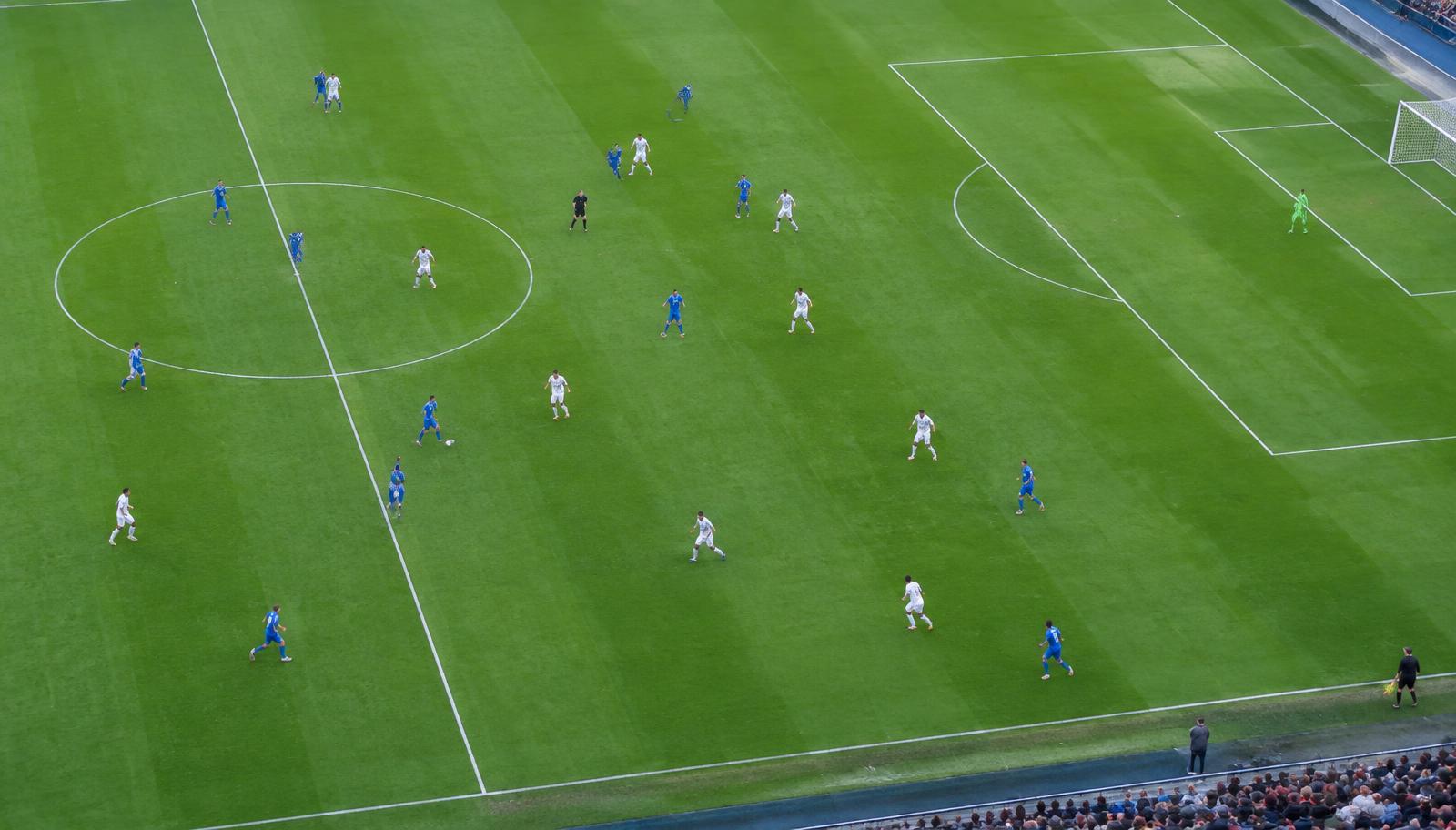
FIFA's handling of player discipline at the 2026 World Cup is facing a pointed challenge in a post-tournament commentary that places Folarin Balogun's eligibility for the United States' knockout match against Belgium at the heart of a wider criticism of football's leadership.
Writing in an article carried by Yahoo Sports, Juliet Jacques describes Balogun playing in the round of sixteen despite receiving a red card in the previous round. Belgium won 4–1, ending the American team's involvement, but the account raises a question separate from the result: how was a player facing suspension permitted to take part?
A red card and an unresolved explanation
According to Jacques, Balogun was dismissed following a video review of his tackle on Bosnia and Herzegovina's Tarik Muharemović in the round of thirty-two. The article says the dismissal meant the United States centre-forward would be suspended for the subsequent meeting with Belgium, yet he was ultimately allowed to play.
The supplied extract does not explain the formal basis for that decision. It contains no disciplinary ruling, account of an appeal or FIFA response. That distinction matters: the reported sequence warrants examination, but the available material does not establish precisely which procedure changed Balogun's eligibility.
The defeat does not resolve that issue. Whether an eligible player influences a result and whether the eligibility process is consistent are different questions. In this case, the United States lost heavily even with Balogun available; the significance of the account lies in the handling of the suspension rather than any claim that it determined the outcome.
Ronaldo comparison broadens the criticism
Jacques also draws a comparison with Cristiano Ronaldo. Her account says he had been due to miss the opening two World Cup games because of a suspension incurred in qualifying, but that his ban was deferred after he met FIFA president Gianni Infantino and Donald Trump at the White House.
That is a reported sequence of events, not evidence in the supplied extract that the meeting caused the deferral. Nevertheless, the two cases form a central part of the author's broader argument about the relationship between FIFA, prominent players and political power.
The commentary also describes Trump sitting beside Infantino behind bulletproof glass at the final. Jacques uses that scene as part of her criticism of the tournament's political presentation, rather than providing a separate explanation of either disciplinary decision.
Football's brighter moments remain
Alongside those criticisms, the account identifies Cape Verde as a notable sporting story. The debutants drew with pre-tournament favourites Spain and took defending champions Argentina to extra time in the round of thirty-two, with 40-year-old goalkeeper Vozinha singled out for his performance.
Those moments offer a contrast to the questions surrounding Balogun and Ronaldo. The available account supplies memorable football and serious criticism, but not the official documentation needed to settle the disciplinary issues. Any firm conclusion about FIFA's reasoning must therefore remain separate from what this commentary reports.