Football News
The pressing traps that decided the weekend
A sample editorial breakdown of how mid-block pressing triggers are shaping results in the current Premier League season.
This is sample editorial content created to demonstrate the publication layout. No scoreline, quotation or statistic below is sourced reporting.
Why the mid-block matters
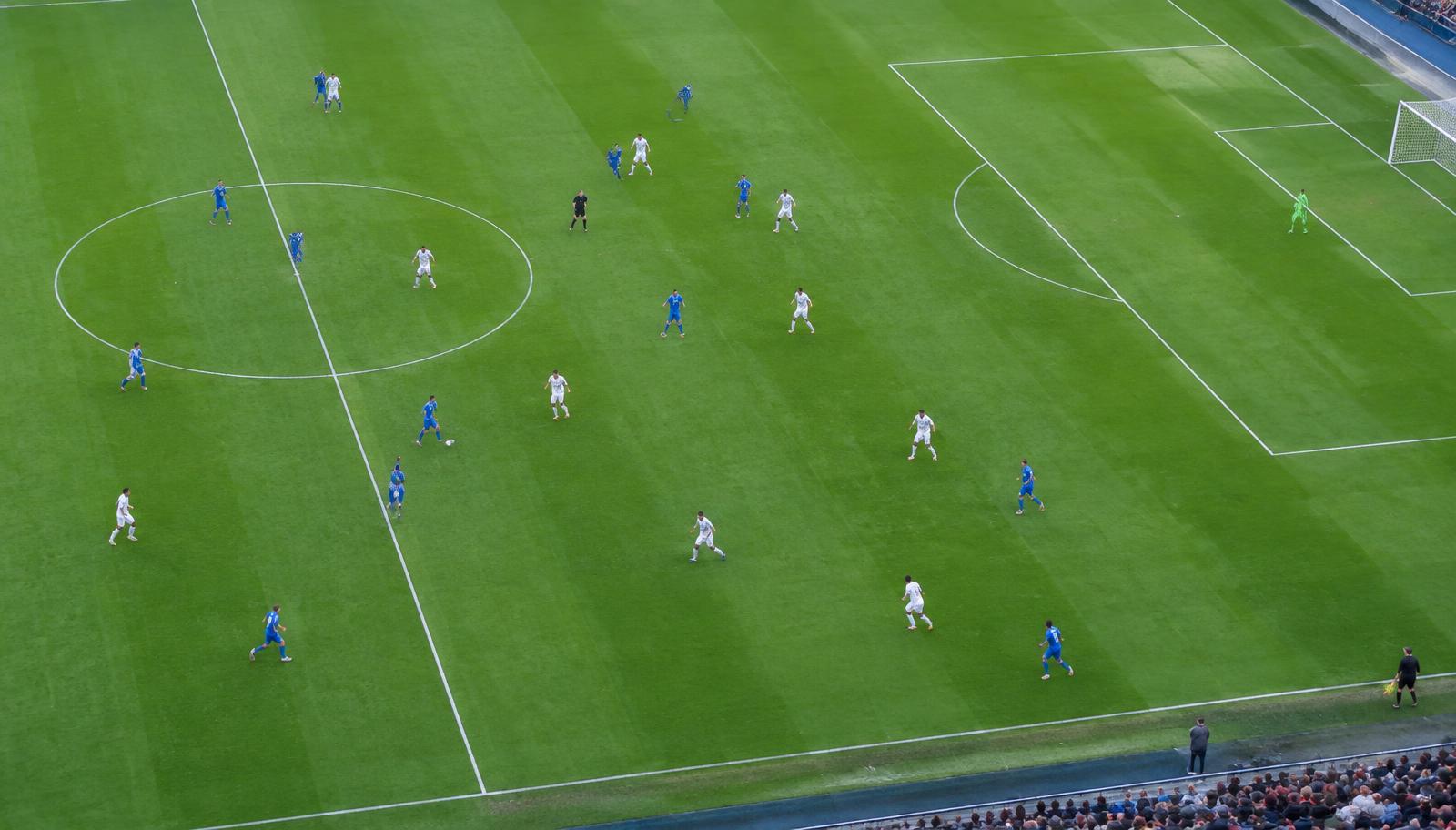
Pressing is no longer a binary choice between chasing the ball and sitting deep. The most interesting coaching work happens in the middle third, where a team decides which pass it wants to invite.
Analysis, not reporting: the patterns described here are illustrative and drawn from general tactical principles.
The trigger
The classic trigger is a square pass between centre-backs. The near-side winger curves his run, the ball-side midfielder steps, and the full-back is left with one option under pressure.
- Curved approach to cut the return pass
- Midfield step timed to the receiver's first touch
- Rest defence pushed high to compress space
What it costs
Aggressive triggers leave the far side open. Teams that press this way accept a small number of high-quality transitions against them in exchange for a larger number of regains in dangerous areas.
Numbers to watch
| Metric | What it tells you |
|---|---|
| Regains in the final third | How often the trigger works |
| Passes per defensive action | Overall pressing intensity |
| Shots conceded from transition | The cost of the risk |
What it means
Pressing structure is a season-long identity, not a weekly tweak. The teams that hold their shape best in March are usually the ones that rehearsed it in July.